


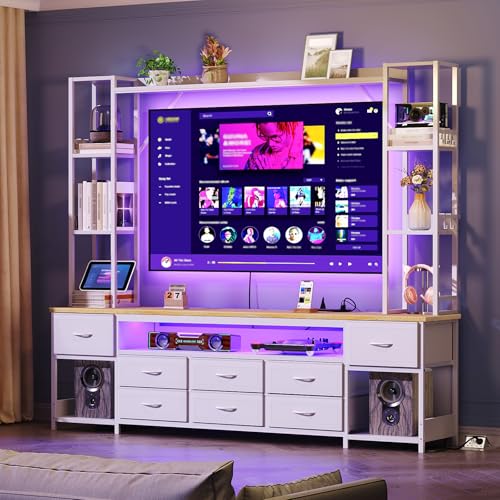
Understanding Media Storage in Entertainment Centers
When you search for an entertainment center with media storage, you are not just looking for a place to put your TV. You are looking for a solution to manage the ecosystem of devices, physical media, and accessories that come with a modern home theater. Unlike a simple TV stand, an entertainment center with dedicated media storage is designed to house everything from your cable box and gaming console to your collection of movies and music.
The key difference lies in the configuration. A standard unit might offer a single open shelf, while a true media storage center provides a combination of adjustable shelving, drawers for remotes and manuals, and often specialized racks for DVDs or game cases. If you have a large collection, consider a unit like the entertainment center with locking doors to keep valuable items secure, or an entertainment center with cabinet doors to hide the visual clutter of wires and devices.
Key Features to Look For
Before making a purchase, evaluate your inventory. Do you need open shelving for a gaming console that requires ventilation? Or do you prefer closed cabinets to hide the mess? For those with a substantial physical media library, look for units with dedicated, adjustable shelves that can be configured for standard DVD or Blu-ray heights. A tall entertainment center with storage can be an excellent choice for maximizing vertical space, especially in rooms with high ceilings.
Ventilation is another critical factor. Modern electronics generate heat. If you plan to house a high-performance gaming PC or a receiver inside a cabinet, ensure there are adequate cutouts or breathable materials. For a more robust setup that combines storage with a focal point, you might explore a built-in wall unit entertainment center, which offers floor-to-ceiling storage potential.
Types of Media Storage Configurations
Not all storage is created equal. The configuration you choose should match your lifestyle and the size of your room.
1. Open Shelving and Bookcases
This is the most common configuration. Open shelves are ideal for displaying your collection and allowing for easy access and ventilation. A large entertainment center with shelves can serve as a dual-purpose piece, acting as a media library and a display for decorative items. If you have a smaller collection or a compact room, a small entertainment center with shelves can provide the necessary storage without overwhelming the space. For a cohesive look, consider a wood entertainment center with shelves that matches your existing furniture.
2. Cabinets and Drawers
If you prefer a minimalist aesthetic, closed storage is your friend. Cabinets and drawers hide the clutter of remotes, wires, and unsightly cases. A white entertainment center with drawers can brighten a room while offering hidden storage. For a classic look, a tall TV cabinet with doors and drawers provides a combination of both, allowing you to display some items while hiding others. If you need to keep things out of sight and out of mind, a sliding barn door entertainment center offers a stylish, farmhouse-inspired way to conceal your media.
3. Specialized Storage
Some units are designed with specific media in mind. For example, a entertainment armoire with pocket doors is perfect for those who want to close off the entire unit when not in use. If you have a corner space, a corner entertainment center with hutch can maximize storage in an otherwise awkward area. For those who want a dedicated workspace, a built-in entertainment center with desk combines media storage with a home office solution.
Design and Style Considerations
Your entertainment center should complement your living room's decor, not clash with it. The style of your storage unit can set the tone for the entire room.
For a modern, sleek look, consider a mid-century modern style media console. These units often feature clean lines, tapered legs, and a mix of open and closed storage. If you prefer a more rustic or farmhouse feel, a white entertainment center with shelves or a farmhouse floating entertainment center can add warmth and character. For a traditional home, a 3-piece wall unit entertainment center offers a grand, substantial presence that anchors the room.
Organizing Your Media Storage
Once you have your entertainment center, the next step is organization. A cluttered shelf defeats the purpose of having storage. Use baskets or bins on open shelves to corral smaller items like controllers and cables. For your DVD or game collection, consider organizing them alphabetically or by genre. If you have a large collection, a long entertainment center with storage can provide the linear space needed to keep everything tidy.
Don't forget about cable management. A entertainment center with media storage often includes cable management holes or channels. Use zip ties or velcro straps to bundle wires together and keep them out of sight. For a truly custom look, a custom living room entertainment center can be built to your exact specifications, including integrated cable management and specialized storage for your unique equipment.
Choosing the Right Size and Fit
Size is a critical factor. Before you buy, measure your space and your TV. A good rule of thumb is that the entertainment center should be slightly wider than your TV. If you have a large TV, you might need a entertainment center to fit 75 inch TV or even an entertainment center for master bedroom if you are setting up a secondary viewing area. For smaller spaces, a small square living room layout with TV requires careful planning to ensure the storage unit doesn't overwhelm the room.
If you are tight on floor space, a TV stand with storage for small spaces might be a better option than a full entertainment center. These units are designed to be compact while still offering essential storage. For a bedroom, a small TV stand with storage for bedroom can provide a neat solution for your media and devices without taking up too much room.
Integrating Fireplaces and Heating
Many modern entertainment centers now include electric fireplaces, combining media storage with a heating element. This creates a cozy focal point. For example, a electric fireplace entertainment stand can provide warmth and ambiance. If you have a larger space, a 70 entertainment center with fireplace or even a entertainment center with side shelves can be a stunning addition. These units often feature heating and cooling fireplace TV stand functionality, making them useful year-round.
For a more traditional look, a propane fireplace entertainment center offers the charm of a real fire. If you are looking for a specific size, a 75 entertainment center with fireplace or a 60 entertainment center with fireplace can be found to fit various room dimensions. For a luxurious feel, consider a faux stone electric fireplace TV stand that adds texture and elegance.
Conclusion: Making the Final Decision
Choosing an entertainment center with media storage is an investment in your home's organization and aesthetic. It is about finding a balance between functionality, style, and the specific needs of your media collection. Whether you opt for a sprawling entertainment wall unit for 85 inch TV or a compact entertainment center for master bedroom, the goal is to create a space that is both enjoyable and functional.
By considering your storage requirements, the style of your home, and the size of your room, you can find the perfect piece that keeps your media organized and your living room looking its best. Remember to check the dimensions, ventilation, and material quality before making your final purchase. With the right entertainment center, you can finally say goodbye to clutter and hello to a polished, entertainment-ready living space.