


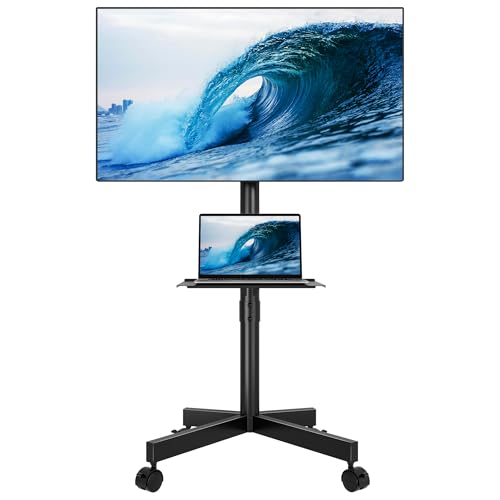

The Foundation of TV Stand Care: Understanding Your Material
Every successful maintenance routine begins with knowing exactly what your TV stand is made of. Different materials require fundamentally different approaches. Using the wrong cleaner on a wooden TV stand can strip its finish, while abrasive cloths can scratch a glass surface. Before you buy a single cleaning product, identify whether your furniture is solid wood, engineered wood, glass, metal, or a combination of materials.
Once you know your material, you can build a care routine that protects rather than harms. This guide covers the four pillars of TV stand care: routine cleaning, material-specific maintenance, protective measures, and repair techniques. Whether you own a minimalist TV stand or a farmhouse-style piece, these principles apply.
Routine Cleaning: Your Weekly and Monthly Checklist
Consistency is the secret to a TV stand that looks new for years. A simple routine prevents dust and grime from becoming embedded in surfaces, which makes deeper cleaning much easier when it's needed.
Weekly Dusting (10 Minutes)
Dust is your TV stand's number one enemy. It's abrasive, it attracts more dust, and it can scratch surfaces when you wipe it away carelessly. Use a microfiber cloth or a soft, lint-free duster. For wood surfaces, a slightly damp microfiber cloth is ideal—it traps dust rather than just moving it around. For glass, use a dry microfiber cloth to avoid streaks. Pay special attention to shelves, corners, and the area behind your TV where dust accumulates fastest.
Monthly Deep Clean (30 Minutes)
Once a month, go beyond dusting. Remove all items from the shelves and the TV itself if possible. Clean each surface thoroughly, including the back panel and the undersides of shelves. This is also the perfect time to check for scratches, loose hardware, or signs of water damage. If you have a TV stand with storage, empty the drawers and wipe them out as well.
Material-Specific Cleaning Guide
This is where most people make mistakes. A one-size-fits-all approach to cleaning will eventually damage your furniture. Here's how to treat each material properly.
Wood TV Stands
Wood is the most common TV stand material and also the most forgiving—if you treat it right. Start with a wood TV stand cleaning routine that uses a damp microfiber cloth and a mild, pH-neutral wood cleaner. Avoid all-purpose sprays that contain ammonia or alcohol, as these strip the finish over time. After cleaning, apply a wood conditioner or furniture polish every two to three months to keep the grain nourished and protected. For rustic TV consoles with a distressed finish, use a slightly drier cloth and skip the polish, which can fill in the texture.
Glass TV Stands
Glass shows every fingerprint and smudge, but it's also the easiest to clean—if you use the right technique. Follow a dedicated glass TV stand cleaning method: use a 50/50 mixture of distilled water and white vinegar in a spray bottle, or a commercial glass cleaner that's ammonia-free. Spray onto the cloth, not directly onto the glass, to avoid drips running down into the frame. Wipe in a circular motion, then buff with a dry microfiber cloth for a streak-free shine.
Metal TV Stands
Metal frames, legs, and accents need a gentle touch. For a metal TV stand polishing routine, start by wiping with a damp cloth to remove dust. Then use a soft cloth with a small amount of metal polish for chrome or stainless steel, or a dry cloth for powder-coated finishes. Never use abrasive pads, which scratch the surface and remove protective coatings. For industrial-style TV stands with a matte finish, simply a damp cloth followed by a dry one is usually enough.
Protection & Prevention: Stopping Damage Before It Starts
Cleaning is reactive; protection is proactive. These measures will save you hours of cleaning and repair work down the road.
Use TV Stand Protectors
If you have drinks, plants, or electronics on your TV stand, you need TV stand protectors. Felt pads under lamps and speakers prevent scratches. Coasters under drinks stop water rings before they form. Silicone mats under cable boxes and game consoles protect against heat marks and scuffs. This is the single cheapest and most effective way to preserve your furniture's finish.
Prevent Scratches
Scratch prevention is especially important in homes with pets or children. If you have a cat that likes to jump on furniture, consider a pet-proof TV furniture setup or place a scratching post nearby. For heavy-duty TV stands that hold large televisions, check that all hardware is tight and that the stand sits on felt pads to avoid floor scratches when moving.
Prevent Sun Damage
Direct sunlight fades wood finishes, warps engineered wood, and discolors metal. Sun damage prevention is often overlooked, but it's critical. If your TV stand sits near a window, use curtains or blinds during peak sunlight hours. For a TV stand in bright spaces, consider a UV-protective window film. Rotate decorative items periodically so fading is even rather than concentrated in one spot.
Repair & DIY: Fixing Minor Damage
Even with the best care, accidents happen. The good news is that most minor damage is fixable with a little patience and the right approach.
Wood Touch-Ups
Light scratches on wood can often be hidden with a wood repair marker or a walnut rubbed along the scratch. For deeper gouges, wood filler matched to your finish is the answer. If the finish itself is worn or peeling, a light sanding and refinishing can restore it. For those who enjoy hands-on projects, there are many DIY TV stand techniques for refinishing and upgrading existing furniture.
Hardware and Stability
Loose screws and wobbly legs are common in older TV stands. Tighten all hardware every few months. If screws have stripped their holes, a small amount of wood glue and a toothpick can restore grip. For a TV stand with an electric fireplace insert, follow the manufacturer's care instructions for the heating unit separately from the furniture itself.
Special Situations and Seasonal Care
Certain situations demand extra attention. During the holiday season, your TV stand may hold extra decorations, heavier items, or be moved to accommodate guests. Do a pre-holiday check of all hardware and surfaces. If you're moving or storing your TV stand, wrap it in blankets and keep it in a climate-controlled space to prevent warping.
For homes with a fireplace TV setup or a TV stand with fireplace, heat and ash are additional concerns. Keep the fireplace area clean and ensure proper ventilation. A fireplace TV stand cleaning routine should include wiping down surfaces near the heat source more frequently.
Building a Long-Term Care Habit
Caring for your TV stand doesn't require hours of work. Ten minutes a week for dusting, thirty minutes a month for a deeper clean, and a few minutes every few months for protection and hardware checks will keep your furniture looking excellent for a decade or more. The key is consistency—small, regular actions prevent the need for major restoration work later.
Whether you have a corner TV stand with fireplace, a floating wall unit, or a simple TV console table, the same principles apply. Know your material, clean gently, protect proactively, and repair promptly. Your TV stand is the centerpiece of your living room—treat it well, and it will serve you beautifully for years to come.