
Entertainment Center with Display Shelves: The Complete Buying Guide
Transform your living room into a curated showcase. Learn how to choose an entertainment center with display shelves that balances storage, style, and functionality for your TV, media, and treasured decor.
SEE TOP PICKSWhy an Entertainment Center with Display Shelves Changes Everything
An entertainment center with display shelves is more than just a place to put your TV. It is the architectural anchor of your living room, a functional storage solution, and a personal gallery all in one. Unlike a simple floating entertainment center with shelves, a full display-shelving unit offers open compartments designed specifically to showcase books, framed photos, collectibles, plants, and decorative accents while keeping your media equipment organized and accessible.
If you have ever struggled with cable clutter, remote controls that vanish, or a TV that feels like it is floating in a void, the right shelving configuration solves those problems elegantly. Open display shelves also improve airflow around gaming consoles and receivers, which extends the life of your electronics. And from a design perspective, they create visual rhythm and depth that flat cabinets simply cannot match.
In this guide, we will walk you through every decision point: shelf depth, weight capacity, material choice, style alignment, and how to integrate display shelving with your existing living room furniture entertainment center arrangement. By the end, you will know exactly which configuration fits your space and your budget.
Key Features to Evaluate Before You Buy
Shelf Depth & Adjustability
Display shelves typically range from 12 to 18 inches deep. Deeper shelves accommodate large art books and speakers; shallower shelves keep small decor from getting lost. Adjustable shelving is essential if you plan to display items of varying heights. Look for multiple height settings or fully removable shelves.
Weight Capacity per Shelf
Not all shelves are created equal. A shelf holding a ceramic vase needs far less support than one holding heavy textbooks or audio equipment. Check the manufacturer's per-shelf weight rating. For media components, aim for at least 30–50 pounds per shelf. For decorative displays, 15–25 pounds is usually sufficient.
Open vs. Closed Storage Balance
The best entertainment centers with display shelves combine open and closed storage. Open shelves showcase your personality; closed cabinets or drawers hide the mess. If you have children or pets, consider a unit with a mix of both, or look at an entertainment center with lots of storage for maximum organization.
Cable Management
Display shelving can quickly become a spiderweb of cords if you are not careful. Look for units with built-in cable cutouts, back panels with grommets, or open backs that allow easy routing. Good cable management keeps the focus on your display, not your power strips.
Material & Finish
Solid wood offers the best longevity and can be refinished. Engineered wood with veneer is more affordable and resistant to warping. Metal accents add industrial character. Glass shelves create a light, airy look but require more frequent dusting. Your choice should match your lifestyle and your room's existing materials.
TV Compatibility & Viewing Height
The center section must safely support your TV's width and weight. For a 65-inch TV, you need at least a 58-inch-wide opening. For a 75-inch TV, look for 68 inches or more. The TV's center should sit at or slightly below eye level when you are seated. If you have a large TV, explore options like an entertainment center that holds 75 inch TV or even a large entertainment center for 85 inch TV.
Popular Display Shelf Configurations
Entertainment centers with display shelving come in several distinct layouts. Understanding these will help you narrow down your search quickly.
Symmetrical Side Shelves
This classic layout places identical shelving columns on both sides of the TV bay. It creates a formal, balanced look that works beautifully in traditional and transitional rooms. Symmetrical units are ideal for displaying matched pairs of vases, bookends, or framed art. For a polished look, consider a contemporary built in entertainment center with symmetrical open shelving.
Asymmetrical Shelving
One tall shelving tower paired with a shorter cabinet or open console creates visual interest and breaks up monotony. This configuration suits modern and eclectic interiors where perfect symmetry feels too rigid. An entertainment center with side shelves in an asymmetrical design can become a striking focal point.
Corner Display Units
Corner entertainment centers with display shelves maximize overlooked spaces. They often feature angled shelving that wraps around the corner, providing surprising storage capacity. A corner entertainment center with TV mount combines this space efficiency with modern mounting convenience.
Wall Unit with Upper Display
These grand pieces feature shelving that extends above the TV, turning the entire wall into a display gallery. They are perfect for rooms with high ceilings and homeowners who want a built-in look without the construction. A solid wood entertainment center wall unit in this style becomes a permanent architectural feature.
Matching Display Shelves to Your Design Style
Your entertainment center should feel like a natural extension of your room's aesthetic. Here is how to align your display shelving choice with popular interior styles.
Modern & Minimalist
Choose clean lines, open back panels, and floating or low-profile designs. Less is more: display a few sculptural objects with generous negative space. A modern TV cabinet design for living room with slim shelves keeps the look sleek.
Farmhouse & Rustic
Look for distressed wood finishes, X-brace details, and warm tones. Display Mason jars, vintage books, and greenery. A farmhouse entertainment center for 75 inch TV with open shelving captures this cozy aesthetic perfectly.
Industrial
Metal frames, reclaimed wood shelves, and exposed hardware define this style. Pipe-style shelving and riveted details add character. Pair with Edison bulbs and metal signage for a cohesive look.
Mid-Century Modern
Tapered legs, walnut or teak finishes, and geometric shelf arrangements are hallmarks of this timeless style. Display abstract art, ceramic lamps, and vinyl records. An entertainment center Restoration Hardware style often draws from these mid-century cues.
Sizing Your Entertainment Center Correctly
Getting the dimensions right is the single most important step. A unit that is too small looks cramped; one that is too large overwhelms the room.
Measure Your TV First
TV sizes are measured diagonally. A 55-inch TV is roughly 48–49 inches wide. A 65-inch TV is about 57–58 inches wide. A 75-inch TV is approximately 66–67 inches wide. Your entertainment center's TV opening should be at least 2–4 inches wider than the TV itself for breathing room and ventilation.
Consider the Wall Space
Leave at least 6–12 inches of wall space on each side of the entertainment center. This prevents the unit from feeling wedged in and allows room for floor lamps, plants, or accent chairs. If your wall is tight, consider a corner TV cabinet design for living room to use the corner efficiently.
Viewing Distance & Height
For a comfortable viewing experience, the distance from your seating to the TV should be roughly 1.5 to 2.5 times the TV's diagonal size. The center of the TV screen should be at or slightly below eye level when seated, typically 40–50 inches from the floor depending on your sofa height.
Account for Components
Count your devices: cable box, streaming stick, gaming console, soundbar, receiver, DVD player. Each needs a shelf or compartment with proper ventilation. Leave at least 2 inches of clearance above each component. If you have a large audio setup, look at an entertainment center for stereo equipment with reinforced shelves.
Materials That Matter: Wood, Metal, and Glass
The material you choose affects durability, maintenance, and the overall look of your display shelving.
Solid Wood
The gold standard for longevity. Oak, maple, cherry, and pine are common choices. Solid wood can be sanded and refinished if scratched. It handles heavy loads well. Expect to pay $800–$2,500 for a quality solid wood entertainment center with display shelves. A solid wood wall unit entertainment center is an investment that can last decades.
Engineered Wood
Particle board or MDF with a wood veneer or laminate finish. More affordable, typically $200–$800. Resistant to warping and humidity changes. However, it cannot be refinished and may sag under heavy loads over time. Best for budget-conscious buyers or temporary setups.
Metal
Steel or aluminum frames with wood or glass shelves. Very durable and modern. Often used in industrial and contemporary designs. Metal shelving can hold significant weight but may scratch floors without proper pads. Easy to clean with a damp cloth.
Glass
Tempered glass shelves create a light, open feel and are easy to clean. They are scratch-resistant but can shatter under impact. Glass is best for displaying lighter decorative items. A glass TV stand with shelving works well in modern and coastal interiors.
How to Style Your Display Shelves Like a Pro
Once you have chosen your entertainment center, the fun begins. Here are professional styling tips to make your display shelves look curated rather than cluttered.
Follow the Rule of Three
Group objects in odd numbers—three, five, or seven items per shelf. Odd-numbered groupings are more visually appealing and dynamic than even numbers. Vary heights and textures within each group.
Mix Vertical and Horizontal
Stand some books vertically and stack others horizontally. Place a decorative object on top of a horizontal stack. This adds rhythm and prevents the shelf from looking like a library aisle.
Layer Foreground and Background
Place larger items toward the back of the shelf and smaller, finer objects in front. This creates depth. A framed photo behind a small sculpture, for example, adds visual interest without crowding.
Leave Breathing Room
Do not fill every inch. Negative space is a design element. Aim to fill about 70% of each shelf, leaving 30% empty. This makes the display feel intentional and prevents visual overwhelm.
Add Greenery
A small potted plant, a trailing vine, or a succulent adds life and color to any display shelf. Real plants are best, but high-quality faux plants work well in low-light areas.
Incorporate Lighting
LED strip lights or small puck lights tucked under shelves can transform your display. They highlight objects, add warmth, and make the entire unit feel premium. A floating entertainment center with lights takes this concept to the next level.
Common Mistakes to Avoid
Even experienced buyers make these errors. Learn from them before you commit.
Buying Before Measuring
Always measure your wall space, your TV, and your doorway or stairwell before ordering. A gorgeous entertainment center that does not fit through the door is a costly mistake.
Ignoring Weight Limits
Overloading shelves is dangerous. A shelf that collapses can damage your TV, your decor, and your floor. Respect the manufacturer's weight ratings.
Forgetting Cable Access
A beautiful unit with no cable management is a frustration waiting to happen. Plan your cable routing before assembly.
Choosing Style Over Function
A stunning minimalist shelf may not hold your receiver and game console. Balance aesthetics with practical storage needs. If you need maximum functionality, explore an entertainment center with lots of storage.
Neglecting Safety
Anchor tall units to the wall, especially in homes with children or pets. Use anti-tip straps or brackets. This is non-negotiable for units over 30 inches tall.
What to Expect at Different Price Points
Entertainment centers with display shelves range from budget-friendly to investment-grade. Here is a realistic breakdown of what your money buys.
Budget: $200–$500
Engineered wood construction, laminate finishes, basic open shelving. Suitable for smaller TVs (up to 55 inches) and lighter decor. Assembly required. Good for apartments, dorms, or temporary setups.
Mid-Range: $500–$1,200
Better materials (solid wood accents or high-quality veneers), more thoughtful design, adjustable shelving, improved cable management. Handles TVs up to 65–75 inches. A sweet spot for most homeowners. Look for a wood entertainment center for 65 inch TV in this range.
Premium: $1,200–$2,500+
Solid hardwood construction, dovetail joinery, premium hardware, and sophisticated designs. Often heirloom quality. Accommodates large TVs (75–85 inches) and heavy media collections. A tall entertainment center for 65 inch TV or larger unit in this tier becomes a permanent investment.
Recommended Entertainment Centers with Display Shelves
⚠️ AFFILIATE DISCLOSURE: This website contains affiliate links. As an affiliate Associate, we earn from qualifying purchases. If you make a purchase through these links, we may receive a small commission at no additional cost to you. Read our full affiliate policy.

IRONCK 85" W Entertainment Center for TVs 65 inch, TV Stand with Storage | 2 Wood Drawers, 2 Cabinets and 10 Open Shelves. Power Outlet with 3 AC Outlets and 2 USB Ports. Cable Management Hole.
Check price on Amazon
DWVO Industrial LED TV Stand for 65 Inch TVs, Bookshelves, Grey | Entertainment Center with 2 4-Tier Bookshelves & Power Outlets, Media Console Table, 5 Drawers & Open Storage, Living Brown
Check price on Amazon
UPOSOJA Large Entertainment Center with 11 Fabric Drawers & LED Lights, Wall Unit TV Stand for Living Room Bookshelves for TVs up to 45"-75", Modern Industrial Style TV Stand, Black
Check price on Amazon
Nordivale White Farmhouse TV Stand, Entertainment Center, 98" Wall Unit Media Console with Bookshelf, Cabinet & Power Outlets & Barn Doors, Fits TVs Up to 75” for Living Room
Check price on Amazon
OneBlis 98" Farmhouse TV Stand with 36" Electric Fireplace, Bookshelves, Fits 75" TVs, Entertainment Center with Storage Cabinet, Large Wall Unit Media Console for Living Room, White
Check price on Amazon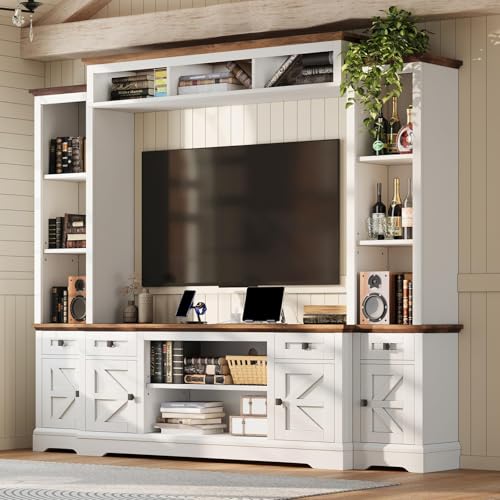
AMERLIFE 98" Farmhouse Wall Unit Entertainment Center with Bookshelf | Large Media Console for TVs up to 75", Rustic TV Cabinet with Power Outlets & Barn Door for Living Room, Off-White
Check price on Amazon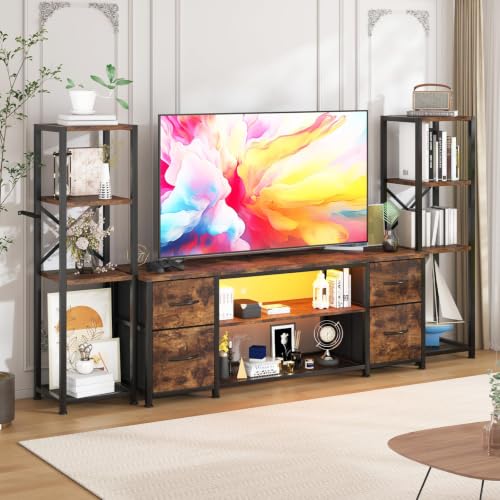
LED TV Stand Entertainment Center Bookshelf Combo with Charging Station | with Light & Storage, for 65 60 55 50 43 32 Inch TV, Industrial Media TV Console Table, for Living Room Bedroom, Rustic Brown
Check price on Amazon
Breezestival Black Farmhouse TV Stand with Fireplace, Entertainment Center, 98" Wall Unit Media Console with Bookshelf, Cabinet & Power Outlets & Barn Doors, Fits TVs Up to 75” for Living Room
Check price on AmazonFinal Thoughts: Making the Right Choice
An entertainment center with display shelves is one of the most impactful furniture purchases you will make for your living room. It supports your most expensive electronic investment, organizes your media collection, and showcases your personal style. The right unit brings order and beauty to your space; the wrong one becomes a source of frustration.
Start by measuring your space and your TV. Decide on your must-have features: adjustable shelves, cable management, closed storage, or a specific style. Set a realistic budget and prioritize materials that will last. Then, style your shelves with intention, following the tips in this guide to create a display that feels curated and personal.
Whether you choose a sleek floating entertainment center with storage, a grand built in living room entertainment center, or a versatile TV entertainment center with side shelves, the key is to find a piece that fits your life. With the information in this guide, you are ready to make a confident, informed decision.
Still exploring? Compare our related guides on entertainment centers with turntable shelves and stereo equipment storage to find the perfect match for your media setup.