Media Console for TV and Record Player
If you're a vinyl enthusiast, discover how to choose a media console that accommodates your turntable and records alongside your TV.
Read More →
Discover how to choose the perfect media furniture that houses your television and audio equipment in style. From cable management to acoustic considerations, we cover everything you need to know.
START YOUR RESEARCHWhy an Entertainment Center for TV and Stereo? A dedicated entertainment center designed for both visual and audio equipment solves the clutter problem, protects your investment, and creates a cohesive focal point. Unlike a standard TV stand, these units offer specialized compartments, ventilation, and cable management tailored for receivers, amplifiers, speakers, and media players.
Investing in a high-quality entertainment center for your TV and stereo system is about more than just aesthetics—it's about functionality, protection, and performance. A poorly chosen unit can lead to overheating electronics, tangled cables, and compromised sound quality. Conversely, the right piece transforms your living room into a dedicated home theater experience.
When shopping for a media console for TV and record player or a full stereo setup, you need to consider dimensions, weight capacity, material, ventilation, and cable management. This guide walks you through every critical factor so you can make a confident, informed purchase.
Before browsing products, understand the essential criteria that separate a functional stereo cabinet from a furniture piece that will frustrate you daily.
The first step is measuring your TV and all stereo components. A common question is: should a TV stand be wider than the TV? As a rule of thumb, your entertainment center should be at least 2–4 inches wider than your television on each side for visual balance and stability.
For stereo equipment, measure the width, height, and depth of your receiver, amplifier, turntable, and speakers. Ensure the shelves are deep enough (typically 16–20 inches) to accommodate these components with space for cables at the back. If you have a large TV, consider a long entertainment center with storage that can span a large wall.
Stereo equipment is heavy. A receiver alone can weigh 20–40 pounds, and a turntable adds more. Look for entertainment centers made from solid wood or high-grade engineered wood with a weight capacity of at least 100–150 pounds per shelf.
If you prefer a natural look, consider a wood entertainment center with shelves that offers both durability and timeless appeal. For a modern aesthetic, a solid wood mid-century modern TV stand provides clean lines with robust construction.
Electronics generate heat. Enclosed cabinets without ventilation can cause your receiver to overheat and shut down. Look for units with open back panels, slatted doors, or built-in vents. Proper cable management—like grommet holes and rear cable channels—keeps your setup tidy and prevents signal interference.
For a polished look, consider a media storage cabinet with glass doors that allows infrared remote signals to pass through while keeping dust out.
If you're a serious audiophile, the material and construction of your entertainment center can affect sound quality. Solid wood and MDF are better than hollow-core particleboard. Avoid placing speakers directly on the same shelf as your turntable to prevent vibration feedback.
Some units are designed with dedicated speaker shelves or isolation platforms. A specialized entertainment center for TV and stereo often includes these thoughtful features.
Your entertainment center should complement your living room decor. Whether your style is modern, farmhouse, industrial, or traditional, there's a unit that fits. For a cozy, rustic feel, a farmhouse electric fireplace TV stand adds warmth and charm.
If you have a smaller space, a small entertainment center for bedroom can double as a dresser or storage unit. For a grand living room, a 3-piece wall unit entertainment center creates a stunning focal point.
⚠️ AFFILIATE DISCLOSURE: This website contains affiliate links. As an affiliate Associate, we earn from qualifying purchases. If you make a purchase through these links, we may receive a small commission at no additional cost to you. Read our full affiliate policy.


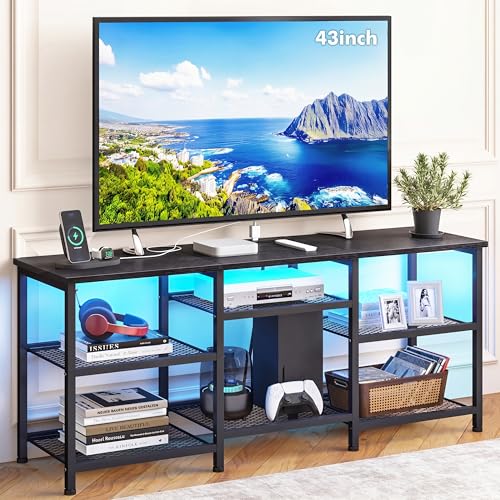


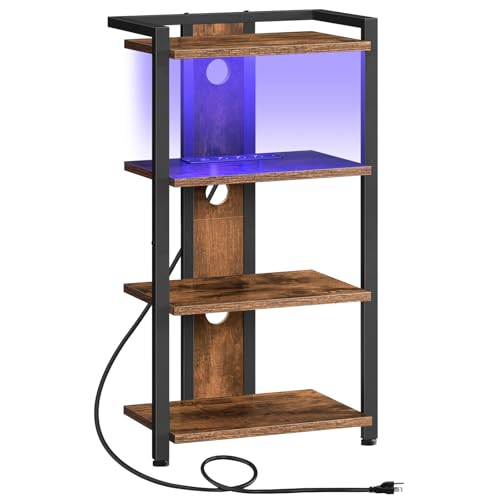
Understanding the trade-offs between different styles will help you narrow down your options quickly.
Before you click "add to cart," run through this checklist to ensure you've covered all bases.
Once you've chosen your entertainment center, how you style and place it matters. Here are practical tips for a polished, functional setup.
The ideal placement is on the main wall opposite your primary seating. For a rectangular room, a rectangular living room layout with TV often works best with the TV centered on the longest wall. If you have a fireplace, consider a great room layout with fireplace and TV to balance both focal points.
Use cable ties, velcro straps, and cable sleeves to bundle wires. Label cables for easy identification. If your entertainment center has a closed back, drill a ventilation hole or use a grommet to route cables neatly.
Balance your TV and stereo components with decorative accents. Add a decorative floor lamp for living room nearby for ambient lighting. Books, plants, and framed photos add personality without cluttering the space.
For stereo setups, place speakers at ear level and equidistant from your seating position. Avoid placing speakers inside enclosed cabinets, as this muffles sound. If your entertainment center has open shelves, use them for center channel speakers or small bookshelf speakers.
Learn from others' missteps. Here are the most common pitfalls and how to avoid them.
If you're a vinyl enthusiast, discover how to choose a media console that accommodates your turntable and records alongside your TV.
Read More →Perfect for large walls and extensive media collections. Learn how to choose and style a long entertainment center with ample storage.
Read More →Maximize vertical space with a tall entertainment center. Ideal for small rooms and collectors with extensive media libraries.
Read More →An entertainment center for your TV and stereo is more than furniture—it's the command center of your home theater. By considering size, material, ventilation, cable management, and style, you can create a setup that protects your investment, enhances your viewing and listening experience, and beautifies your living space.
Whether you choose an open-shelf design, a closed cabinet, or a corner unit, the key is to match the furniture to your equipment and your lifestyle. Use our recommended products above as a starting point, and don't hesitate to explore our related guides for deeper dives into specific configurations.
Ready to upgrade your entertainment space? Start by measuring, then browse our curated selection of top-rated entertainment centers for TV and stereo systems. Your perfect setup awaits.
The information provided on TVStandTips is for educational and informational purposes only. We are not professional interior designers or contractors, and our content should not replace professional advice. Always consult with a qualified expert regarding structural, safety, or design-related concerns. Some content may use AI assistance. Always check product warranties and safety standards before purchasing. If you do not agree, please do not use this website. Read the full disclaimer.