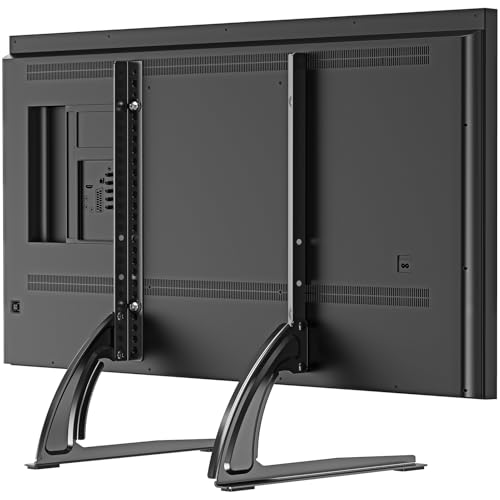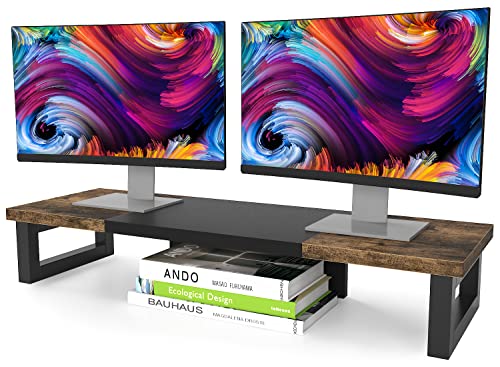
The Complete Guide to TV Stand Risers for 43 Inch TVs
A 43-inch TV is a versatile size, perfect for bedrooms, apartments, and smaller living rooms. However, its compact stature often means it sits too low on standard furniture, leading to neck strain and a less-than-ideal viewing experience. A TV stand riser for a 43-inch TV is the simple, elegant solution. This guide will walk you through everything you need to know to make the right choice.
What is a TV Stand Riser and Why Do You Need One?
A TV stand riser is a platform or stand designed to elevate your television. Unlike a full TV stand, a riser is typically placed on top of an existing piece of furniture, like a dresser, a coffee table, or a low media console. For a 43-inch TV, a riser can solve several common problems:
- Ergonomics: It raises the screen to eye level when you're seated, reducing neck and eye strain. The ideal position is for the center of the screen to be at or slightly below your eye level.
- Stability: Many risers provide a wider, more stable base than the TV's own feet, reducing the risk of tipping.
- Space-Saving: It creates valuable vertical space underneath the TV, perfect for a soundbar, cable box, or gaming console.
- Aesthetics: A well-chosen riser can enhance the look of your TV area, adding a touch of style and organization.
Key Factors to Consider When Choosing a Riser for Your 43-Inch TV
1. Weight Capacity and Stability
This is the most critical factor. A 43-inch TV typically weighs between 15 and 25 pounds (7-11 kg) without its stand. However, you must check your TV's specific weight, including its original stand if you plan to keep it on. Choose a riser with a weight capacity that comfortably exceeds your TV's weight. Look for features like non-slip pads on the bottom and a wide, sturdy base to ensure it doesn't wobble. For wall-mounted alternatives, explore options like a wall mount for a 55-inch TV to see how different sizes are handled, which can inform your choice for a 43-inch model.
2. Height and Adjustment
The ideal height depends on your seating position. A good rule of thumb is to measure the height from the floor to your eye level when seated comfortably. Then, measure the height of your TV's current position. The difference is the minimum height your riser needs to provide. Some risers offer adjustable heights, which can be very useful if you use the TV in different settings.
💡 Pro Tip: Before buying, use a stack of books to experiment with different heights. This will give you a clear idea of the perfect elevation for your space.
3. Material and Build Quality
The material affects durability, style, and cost.
- Wood: Offers a classic, warm look. Solid wood is the most durable but also the heaviest and most expensive. MDF and particleboard are more affordable but can sag under heavy weight over time.
- Metal: Sleek, modern, and very strong. Metal risers often have a more industrial or minimalist aesthetic. Look for powder-coated finishes to prevent rust.
- Glass: Provides a modern, airy feel but can be less forgiving and show dust more easily. Tempered glass is a must for safety.
- Acrylic: A lightweight and shatter-resistant alternative to glass, often used for a "floating" effect.
If you prefer a more natural look, a wooden TV cabinet design might inspire your choice of material for a riser. For those who prioritize sustainability, consider an eco-friendly TV stand or riser made from reclaimed or sustainable materials.
4. Design and Style
Your riser should complement your existing decor. A minimalist setup might call for a simple black metal or clear acrylic riser. A rustic or farmhouse theme could be enhanced with a rustic TV console-style wooden riser. For a modern, clean look, consider a white riser to match white TV stands, or a bold black one to pair with black TV stand types.
Types of TV Stand Risers for 43-Inch TVs
- Fixed-Height Risers: The simplest and most common type. They are sturdy and often more affordable but offer no flexibility.
- Adjustable Risers: These allow you to change the height, often with legs that can be set to different levels. Ideal if you want to fine-tune the viewing angle.
- Monitor Stands: Often designed for computer monitors, many are perfectly sized and styled for a 43-inch TV. They are typically made of metal or wood and often include a drawer or shelf.
- Desk Risers / Shelf Risers: These are essentially small shelving units that can be placed on a larger surface. They offer a great combination of elevation and storage. You can find similar concepts in media shelf designs.
Installation and Safety Tips
Installing a riser is usually straightforward, but safety is paramount. Always follow the manufacturer's instructions. Ensure the riser is placed on a flat, level surface. If your riser has anti-slip pads, make sure they are clean and in place. If you have a wall-mount setup, a riser can be used to house components, but be sure to check out guides like no-stud wall mount for 65-inch TV to understand the importance of proper mounting, a principle that applies to all TV setups.
✅ Pros of Using a Riser
- Improves viewing comfort and ergonomics
- Cost-effective alternative to a new TV stand
- Creates space for a soundbar or other devices
- Enhances stability for TVs with narrow bases
- Easy to install and move
⚠️ Cons to Consider
- Can look cluttered if not styled well
- Adds height, which can be a concern in low-clearance spaces
- Not a substitute for proper wall anchoring in earthquake-prone areas
- Some materials (like glass) can be prone to smudges
Making Your Final Decision
For a 43-inch TV, a simple, well-built riser is often the perfect solution. Measure your space, determine your ideal height, and choose a material that matches your style. Whether you're looking to improve ergonomics, create storage space, or simply update your room's look, a TV stand riser is a smart, practical investment. For more ideas on organizing your space, you might also explore TV stand with storage for living room options, which can sometimes incorporate riser-like features.