
Freestanding Wood Stove with Blower: The Complete Buying Guide
Everything you need to know about choosing, sizing, and installing a freestanding wood stove with a blower to heat your home efficiently and beautifully.
Explore Top PicksWhy a Blower Matters: A freestanding wood stove with a blower combines the timeless charm of radiant wood heat with modern forced-air efficiency. The blower circulates warm air throughout your room instead of letting it stratify near the ceiling, dramatically improving comfort and reducing heating costs. This guide walks you through everything from BTU sizing to clearance requirements so you can buy with total confidence.
What Is a Freestanding Wood Stove with Blower?
A freestanding wood stove is a self-contained heating appliance that burns cordwood to produce radiant and convective heat. Unlike a fireplace insert, it stands independently on a hearth pad or floor protector and vents through its own chimney or flue. When you add a blower — also called a fan or convection fan — the stove becomes a far more effective whole-room heater.
The blower draws cooler air from floor level, pushes it across the hot surfaces of the stove body or heat exchanger, and releases warmed air back into the room. This continuous circulation helps break up heat stratification, meaning you feel warmer faster and use less wood to maintain a comfortable temperature. Many modern models pair a thermostatically controlled blower with catalytic or secondary combustion technology for exceptionally clean, efficient burns.
If you are also considering how a wood stove fits into a larger entertainment or living space layout, our guide on fireplace solutions for entertainment centers can help you plan a cohesive room design that balances warmth and media enjoyment.
Key Benefits of a Blower-Equipped Wood Stove
Superior Heat Distribution
A blower moves heated air across the room instead of letting it rise and pool at the ceiling. You get even, consistent warmth from floor to ceiling — no more cold spots near the floor.
Lower Fuel Consumption
Because heat is distributed more effectively, you can maintain comfort with less wood. Many homeowners report 20–30% less wood usage compared to a radiant-only stove of similar output.
Faster Warm-Up
The forced-air action quickly takes the chill off a cold room. Turn on the blower and feel a noticeable difference within minutes rather than waiting for radiant heat to slowly permeate the space.
Cleaner, More Efficient Burns
Many blower-equipped stoves feature secondary combustion or catalytic converters. Combined with proper air circulation, this means less smoke, less creosote, and lower emissions.
Pros and Cons at a Glance
Advantages
- Excellent whole-room heat distribution
- Reduced wood consumption and lower heating bills
- Quick warm-up times on cold mornings
- Thermostatic models run automatically
- Adds rustic, cozy ambiance to any room
- Works during power outages (most models)
- Wide range of styles, sizes, and finishes
Considerations
- Blower requires electricity (though stove still radiates without it)
- Higher upfront cost than non-blower models
- Regular maintenance — ash removal, chimney cleaning, fan dusting
- Requires proper clearance and hearth protection
- Needs a reliable source of seasoned firewood
- Can be heavy — floor reinforcement may be needed
- Local building codes and permits apply
Types of Freestanding Wood Stoves with Blowers
Not all wood stoves are built the same. Understanding the main categories helps you narrow down the right model for your home, climate, and aesthetic preferences.
Radiant + Convection Hybrid
The most common type. The stove body radiates heat in all directions while the blower pushes convective warmth into the room. Best for medium to large living spaces where you want both ambiance and effective heating.
Soapstone or Stone-Clad
Soapstone absorbs heat slowly and releases it evenly over many hours. Paired with a blower, these stoves provide exceptionally gentle, long-lasting warmth — ideal for bedrooms or spaces where you want steady overnight heat.
Catalytic vs. Non-Catalytic
Catalytic stoves use a converter to reburn smoke at lower temperatures, achieving very high efficiency. Non-catalytic stoves rely on secondary combustion tubes. Both benefit from a blower, but catalytic models tend to produce longer burn times.
Cast Iron vs. Steel
Cast iron stoves retain heat longer and radiate a classic look. Steel stoves heat up faster and are often more affordable. Blowers are available for both, and the choice often comes down to style and budget.
How to Size Your Wood Stove Correctly
Choosing the right size is the single most important decision you will make. An oversized stove will overheat your space and force you to run it inefficiently at low burn settings, leading to creosote buildup. An undersized stove will struggle to keep up on the coldest nights.
Look for stoves rated 40,000–55,000 BTU. Ideal for cabins, studios, and well-insulated small homes.
Stoves rated 55,000–75,000 BTU. The sweet spot for most average-sized living areas and open floor plans.
Stoves rated 75,000–100,000 BTU. Choose a large firebox (2.5–3.5 cu ft) for extended burn times.
Stoves rated 100,000+ BTU or consider two stoves for zoned heating. Verify clearance and hearth requirements carefully.
Always factor in ceiling height, insulation quality, window area, and climate zone. A well-insulated 1,800 sq ft home in a moderate climate may need less BTU than a drafty 1,400 sq ft home in a harsh northern winter. When in doubt, consult a certified hearth professional for a heat-load calculation.
Blower Features That Make a Difference
Not all blowers are created equal. Here are the features worth paying attention to when comparing models:
Thermostatic Control
The blower turns on automatically when the stove reaches operating temperature and shuts off when it cools. This saves electricity, reduces noise, and prevents blowing cold air at start-up.
Noise Level
Look for blowers rated under 50 dB on low and under 65 dB on high. Variable-speed fans let you balance airflow against noise — important in open-concept living spaces.
CFM Rating
CFM (cubic feet per minute) indicates how much air the blower moves. Most residential stoves range from 100–200 CFM. Higher CFM suits larger rooms but may produce more noise.
Power Source
Most blowers plug into a standard outlet. Some models offer battery backup or DC operation for off-grid use. The stove itself still radiates heat during a power outage.
Quick Comparison: Blower vs. No Blower
| Feature | With Blower | Without Blower |
|---|---|---|
| Heat Distribution | Even, room-wide circulation | Radiant, concentrated near stove |
| Warm-Up Speed | Fast — minutes | Slower — 30+ minutes |
| Wood Consumption | Lower for same comfort level | Higher to achieve same feel |
| Electricity Needed | Yes, for fan operation | No |
| Noise | Low hum on low setting | Silent |
| Upfront Cost | Higher | Lower |
| Best For | Primary heating, open plans | Ambiance, small rooms, backup heat |
Installation and Clearance Essentials
Proper installation is non-negotiable for safety and performance. Always follow the manufacturer's manual and local building codes — these are minimum requirements, not suggestions.
Installation Checklist
- Verify floor protection (hearth pad) meets R-value requirements
- Maintain required clearances to walls, furniture, and combustibles
- Use a listed chimney system rated for solid fuel
- Install a chimney cap and spark arrestor
- Ensure proper chimney height for adequate draft
- Obtain necessary permits before installation
- Have a certified professional inspect the final setup
- Install smoke and carbon monoxide detectors nearby
- Keep a fire extinguisher within easy reach
- Schedule annual chimney inspections and cleaning
If your wood stove will share space with a television or media setup, plan the layout carefully. Our article on building a wall with TV and fireplace offers design inspiration for combining heat and entertainment safely and attractively.
Maintenance Tips for Long-Lasting Performance
A well-maintained wood stove with a blower can last decades. Here are the key tasks to stay on top of:
Clean the Blower
Dust and pet hair accumulate on fan blades and motor housings. Vacuum the blower intake and blades every few weeks during heating season to maintain airflow and prevent overheating.
Remove Ash Regularly
Keep the ash pan and firebox clean. Excessive ash reduces airflow, lowers efficiency, and can damage the grate. Leave a thin layer of ash for insulation, but do not let it pile up.
Clean the Glass
Use a commercial stove-glass cleaner or a paste of wood ash and water. Clean glass improves the view and helps you monitor burn quality. Avoid abrasive cleaners that scratch.
Inspect the Chimney
Check for creosote buildup, blockages, and damage at least annually. Creosote is highly flammable — professional cleaning is recommended, especially if you burn frequently.
Ready to Choose Your Freestanding Wood Stove with Blower?
Browse our curated selection of top-rated models with blowers. Compare BTU ratings, firebox sizes, efficiency, and customer reviews — all in one place.
See Recommended ModelsFrequently Asked Questions
Absolutely. A blower can increase the effective heating range of a stove by 20–30% or more. It circulates heated air that would otherwise rise and stratify near the ceiling, making the entire room feel warmer and more comfortable. You will also burn less wood to achieve the same level of comfort.
Yes. The stove will still produce radiant heat without electricity, so you will stay warm. The blower simply will not run, which means heat distribution will be less even. Some models offer battery backup options if you want fan operation during outages.
It depends on square footage, insulation, ceiling height, and climate. As a general rule, look for 40,000–55,000 BTU for up to 1,200 sq ft, 55,000–75,000 BTU for 1,200–2,000 sq ft, and 75,000+ BTU for larger homes. A certified hearth professional can perform a precise heat-load calculation.
During heating season, inspect and vacuum the blower every 2–4 weeks. Dust, pet hair, and debris reduce airflow and can cause the motor to overheat. A thorough cleaning before the start of each heating season is also recommended.
Yes, when installed correctly. Maintain required clearances from walls, furniture, and electronics. Always use a non-combustible hearth pad, install smoke and CO detectors, and follow the manufacturer's manual. If you have a TV or media console nearby, ensure it is outside the clearance zone or protected by a heat shield.
Quality freestanding wood stoves with blowers typically range from $800 to $2,500 depending on brand, size, materials, and efficiency ratings. Premium catalytic models with soapstone cladding can exceed $3,000. Installation costs are separate and vary by region and chimney requirements.
Recommended Freestanding Wood Stove with Blower
⚠️ AFFILIATE DISCLOSURE: This website contains affiliate links. As an affiliate Associate, we earn from qualifying purchases. If you make a purchase through these links, we may receive a small commission at no additional cost to you. Read our full affiliate policy.

US Stove US1100E-BL 1,200 sqft Wood Stove with Blower
Check price on Amazon
Ashley Hearth AW2020-P 2,000 sqft Wood Stove with Legs and Pedestal
Check price on Amazon
Adviace Replacement Wood Stove Blower, S31105 Blower Fan for GHP Group, Monessen/Majestic (MHSC Brands), Majestic Dutchwest Windsor, CFM US Century Plate Steel Freestanding Wood Stove Fireplace
Check price on Amazon
Criditpid AC-16 Wood Stove Convection Blower for Englander Stove, Room Air Blower Replacement for Englander Pellet & Wood Stoves.
Check price on Amazon
Comfort Glow Wood Burning Stove, Fits 18" Logs - CGWS1500
Check price on Amazon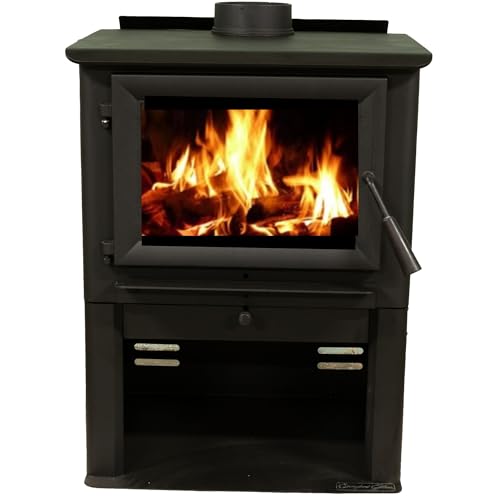
Comfort Glow Wood Burning Stove, Fits 21" Logs - CGWS2500
Check price on Amazon
Adviace Wood Stove Blower with Thermostat, S31105 Blower Fan for GHP Group, Monessen/Majestic (MHSC Brands), Majestic Dutchwest Windsor, CFM US Century Plate Steel Freestanding Wood Stove Fireplace
Check price on Amazon